AI Voice Calls and Consent: What the FCC Ruling Says
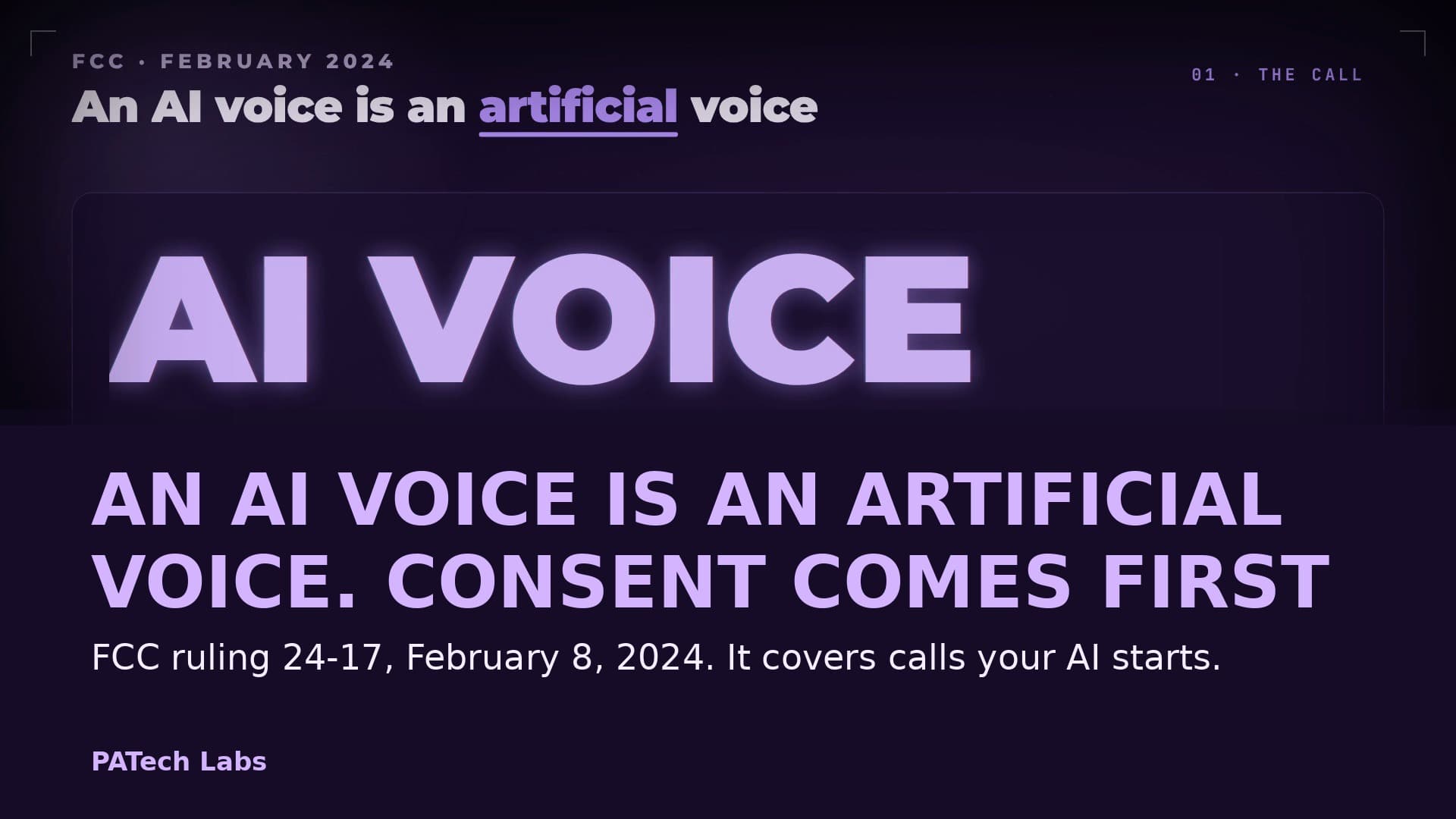
The FCC's February 8, 2024 AI voice ruling covers outbound calls an AI starts. See when prior express consent and prior express written consent apply, plus what to check before dialing a customer.
PATech Labs News
What's happening with AI in business: facts, primary sources, and named authors. In English, Russian, and Spanish.


A step-by-step walk through one x402 v2 payment: the 402 response, the PAYMENT-REQUIRED and PAYMENT-SIGNATURE headers, what the facilitator can and cannot do, fees, assets and refunds. Plus where the protocol fits and where it does not.

When an AI agent pays the wrong party or is tricked, Regulation E and Z set loss rules for unauthorized payments but never mention AI agents. Here is what they say, what the Fed's Waller asked, and what owners can check now.

What a clinic, law office or medspa can actually do today to accept payments from AI agents through Stripe, Shopify, Square or x402, and why capturing the phone request still comes first.
The FCC's February 8, 2024 AI voice ruling covers outbound calls an AI starts. See when prior express consent and prior express written consent apply, plus what to check before dialing a customer.
In February 2024 the FCC ruled that a call made with an AI generated voice counts as an artificial voice under the TCPA. The ruling covers calls your AI starts, not a customer calling in. Here is what it says on consent, identification and opt out.
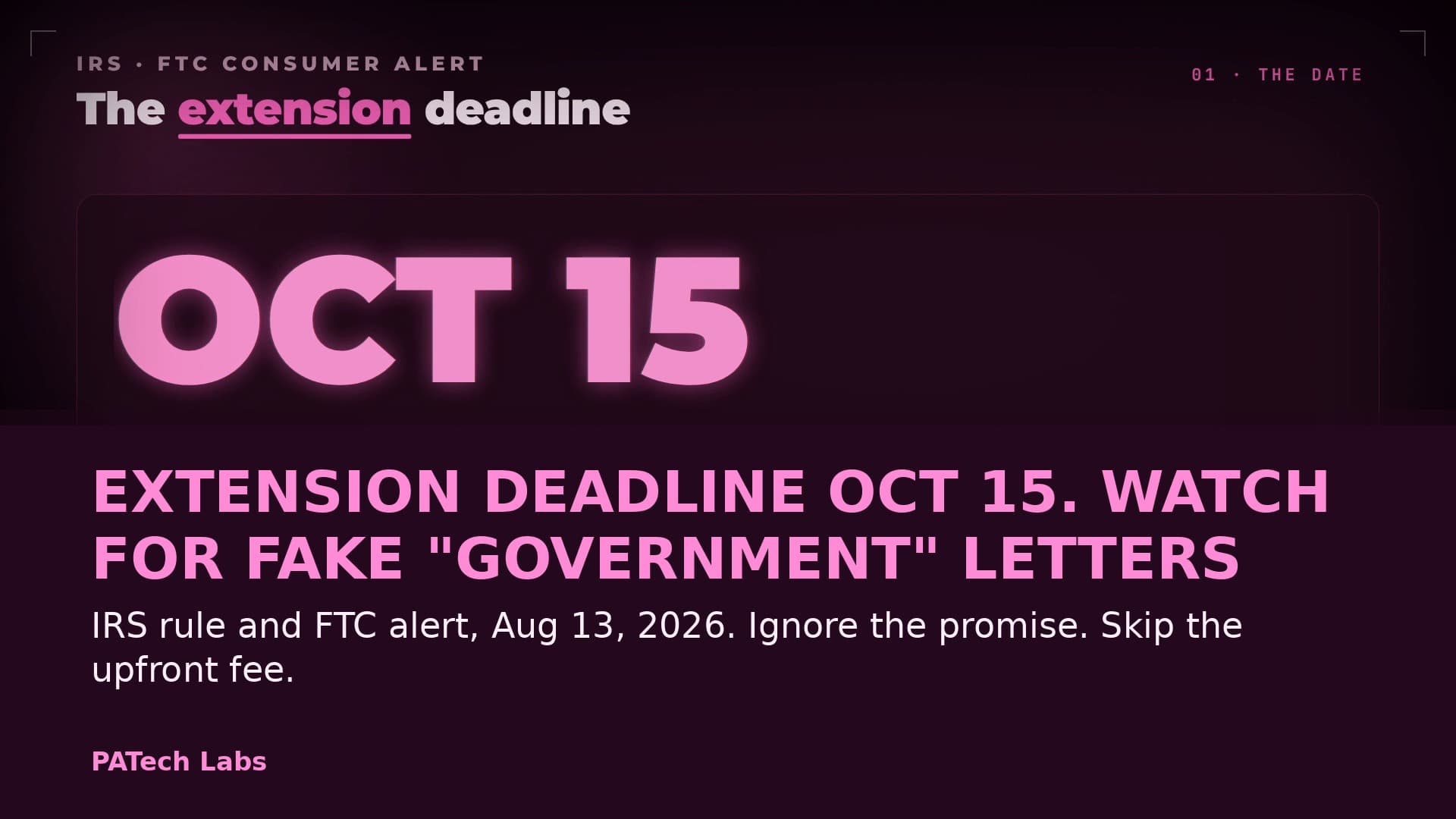
The October 15 filing deadline is real for individual taxpayers with an IRS extension. The FTC's August case shows why a tax debt letter or sales call still needs an independent source check.
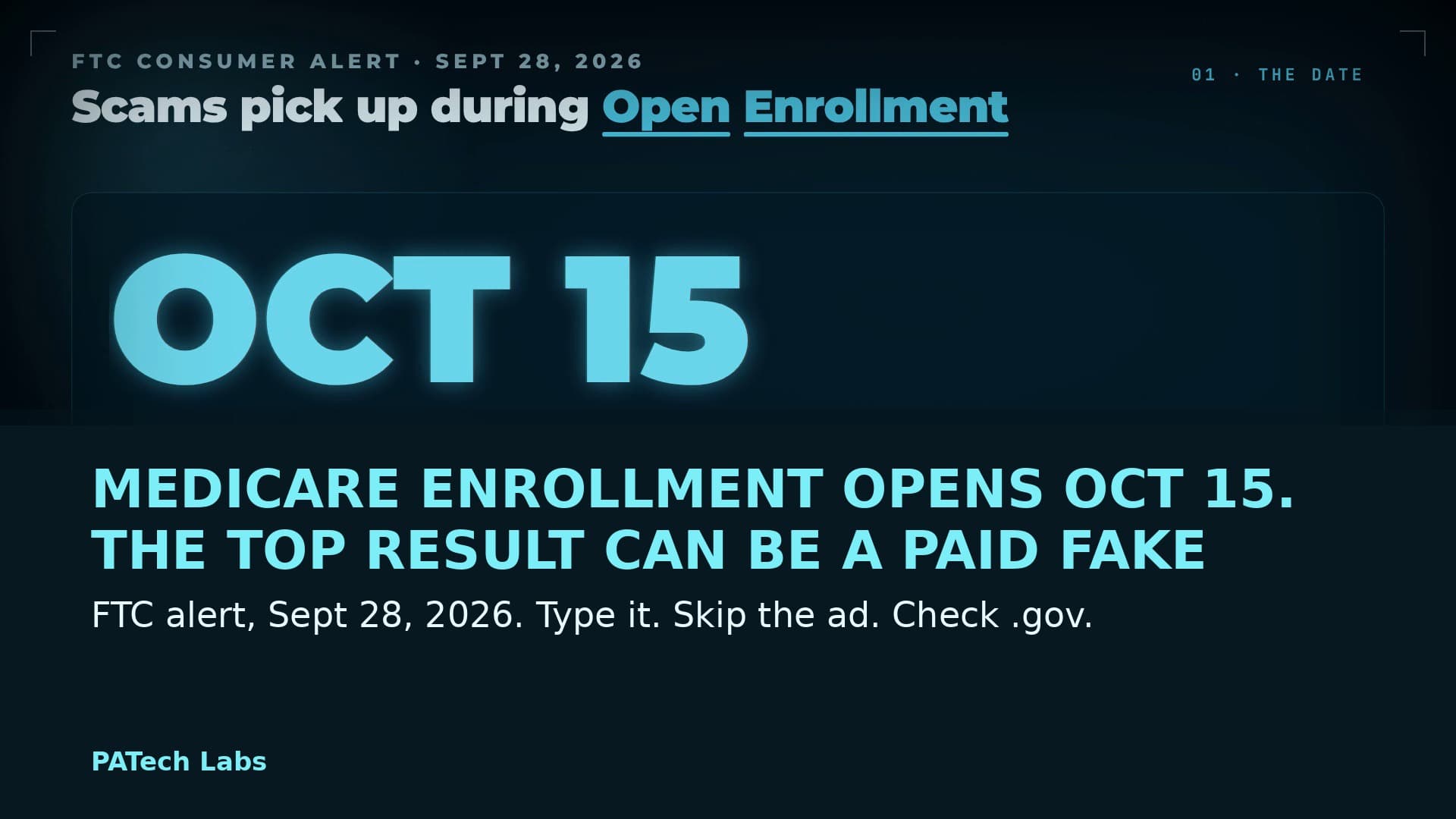
On September 28, 2026 the FTC warned that health insurance scams pick up during Open Enrollment, and that scammers sometimes pay to appear at the top of search results. The dates, how the paid ad trick works, and a three step rule: type it, skip the ad, check .gov.
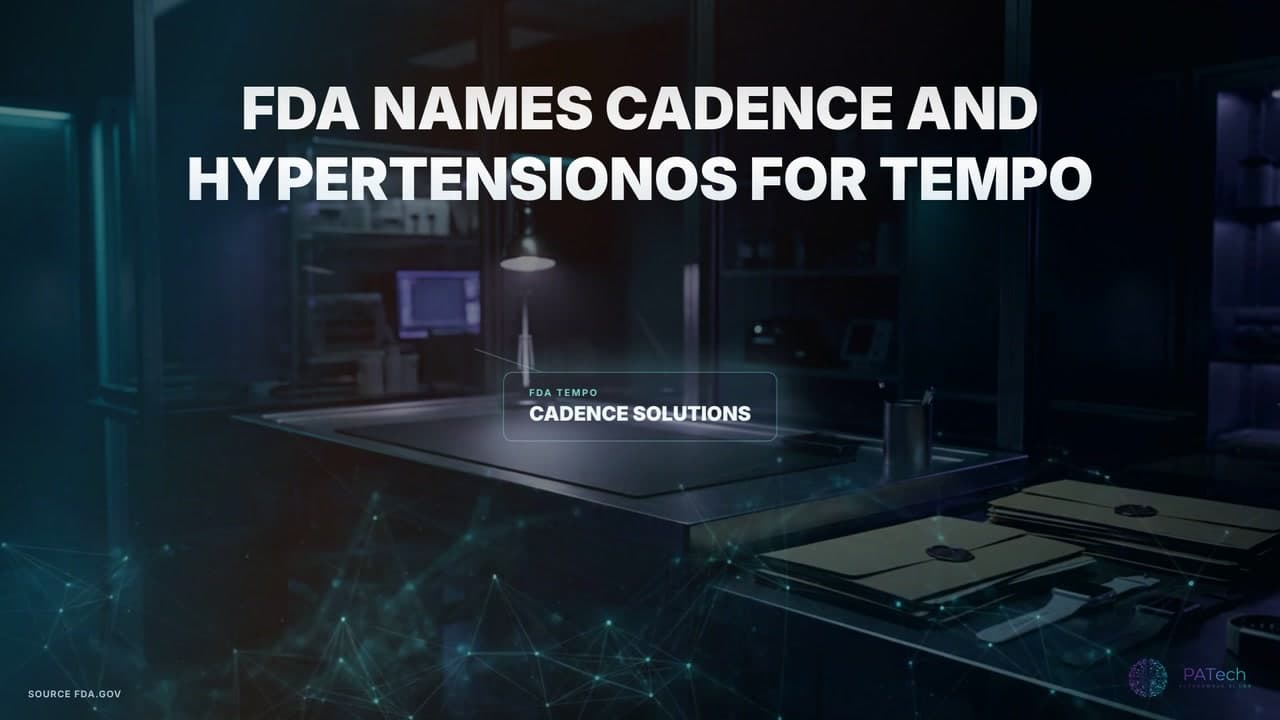
FDA lists Dexcom and Cadence Solutions in its TEMPO pilot, but selection is not approval and the agency says effectiveness for the pilot uses has not yet been evaluated.
HHS guidance separates permitted appointment reminders from the privacy safeguards that shape their content and delivery.

An agentic AI audit traces calls, leads, quotes, recurring work, and revenue through real records. It reveals measurable process gaps and a safe sequence for fixing one of them first.

FinCEN's final rule, effective August 14, 2026, permanently ends beneficial ownership reporting for U.S. persons and deletes the data already collected. What it covers, who is still in scope.
Enterprise AI agents are spreading fast, but Gartner and McKinsey data show a sharp gap between adoption, scale, and durable business value.
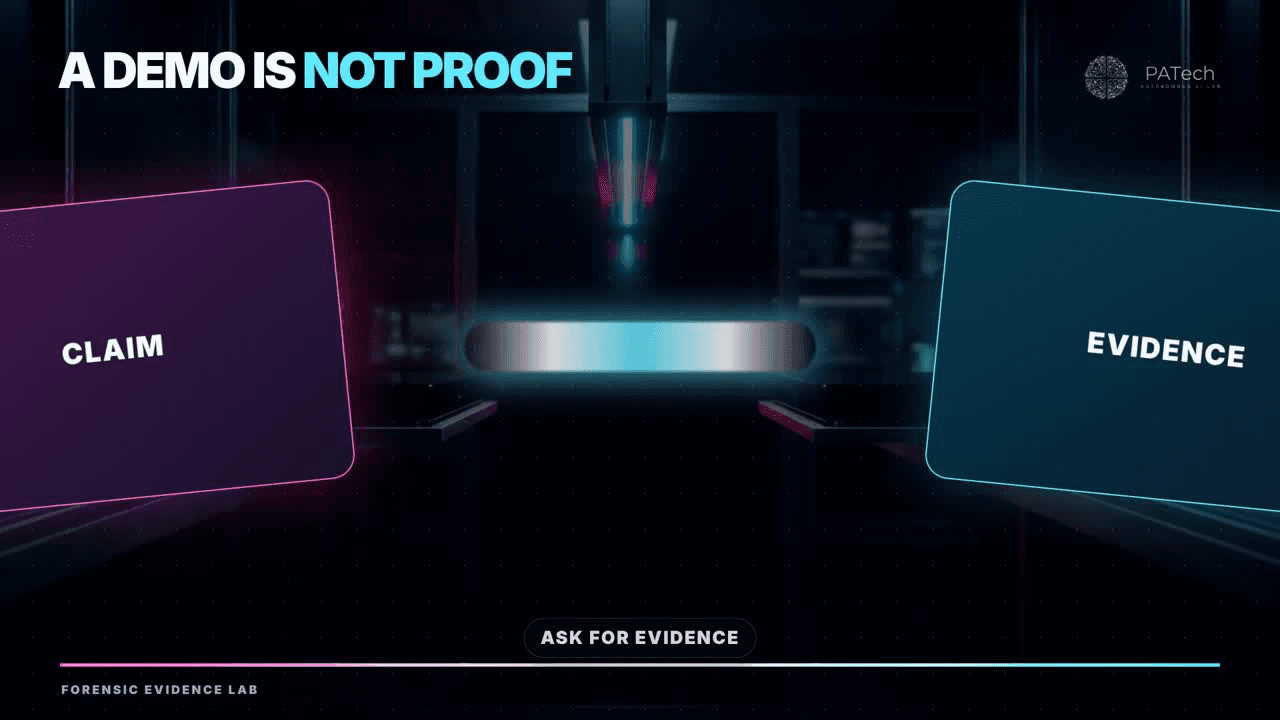
A practical evidence scorecard for testing AI vendor claims, access, ownership, acceptance, and exit conditions before a US small business scales a purchase.
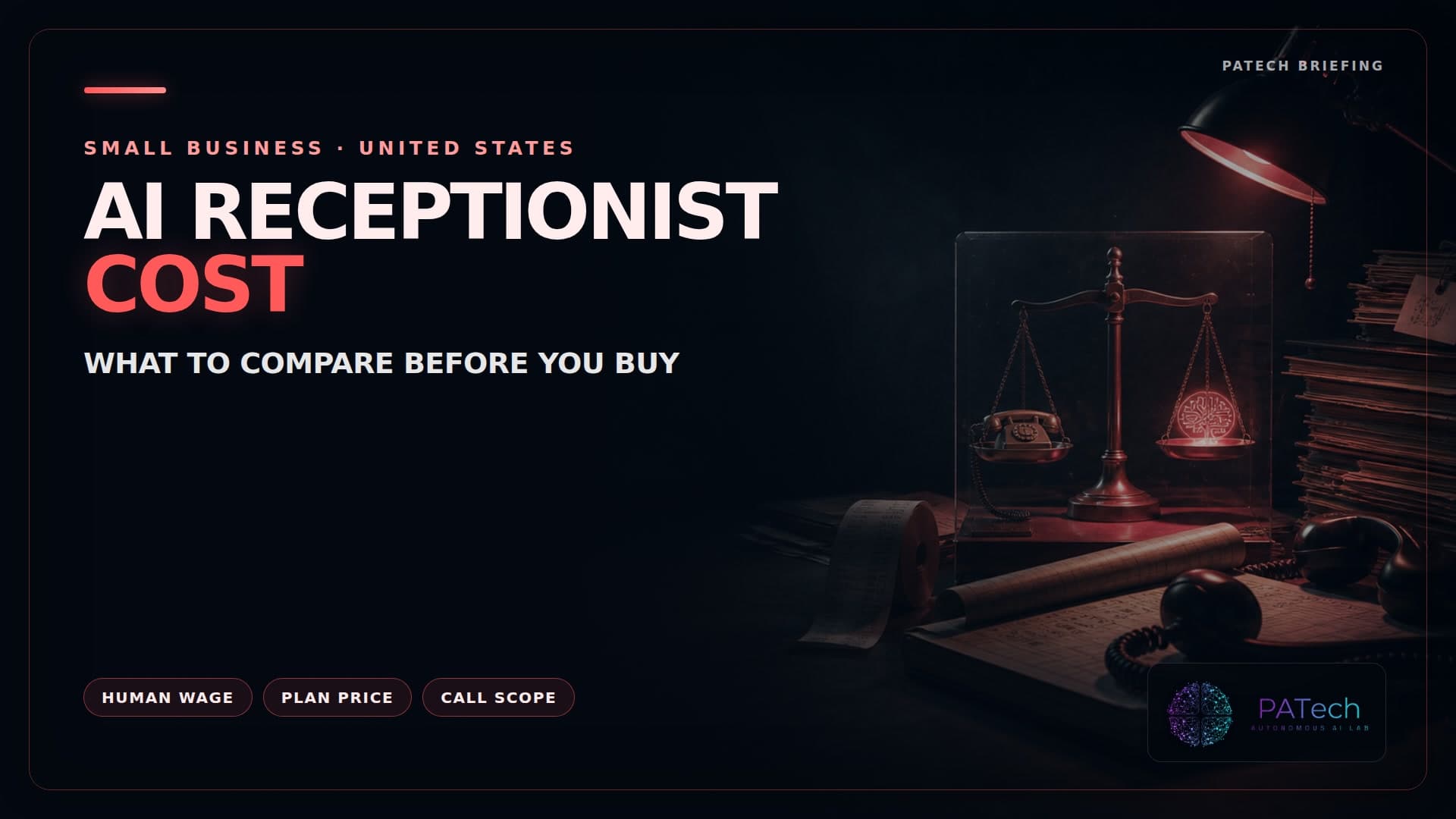
A source-backed framework for comparing an AI receptionist with human reception coverage without confusing list price, wages, scope, and operating risk.
A practical guide to the difference between chatbots, workflows, and AI agents, including tool permissions, human approval, cost, latency, and a safer path to deployment.